
Aortic Stenosis
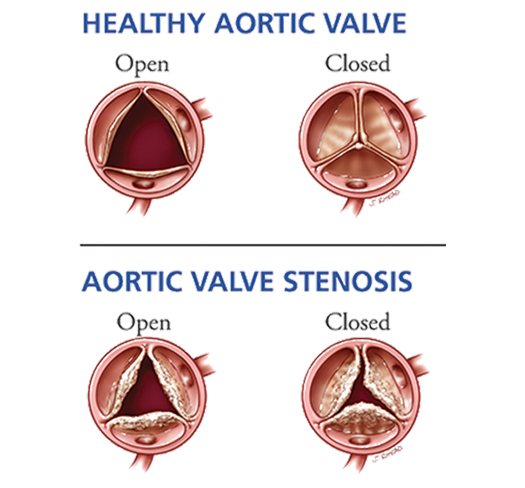
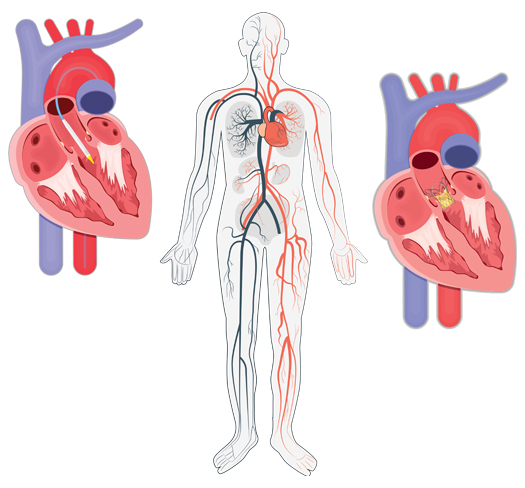
Aortic stenosis is a progressive disease of Aortic Valve where there is narrowing of the aortic valve opening.It can be caused by age, genetic predisposition, rheumatic fever, radiation and/or build-up on the leaflets of calcium, cholesterol (fat), etc. This results in stiff valve leaflets that don’t move easily or open fully. This reduces the pumping ability of the heart to push blood through the aortic valve to your body.Left untreated, severe aortic stenosis can lead to heart failure or even sudden death.